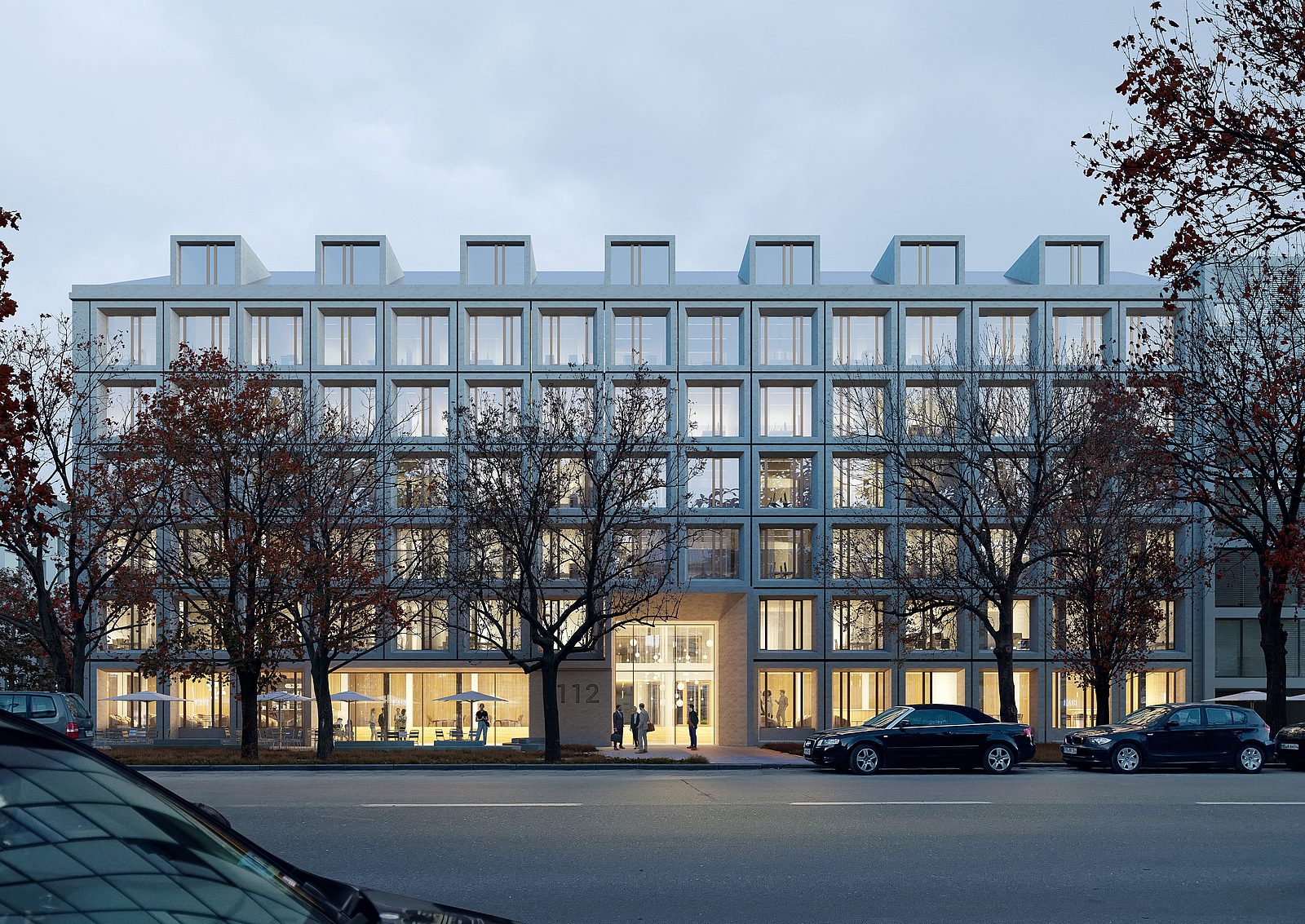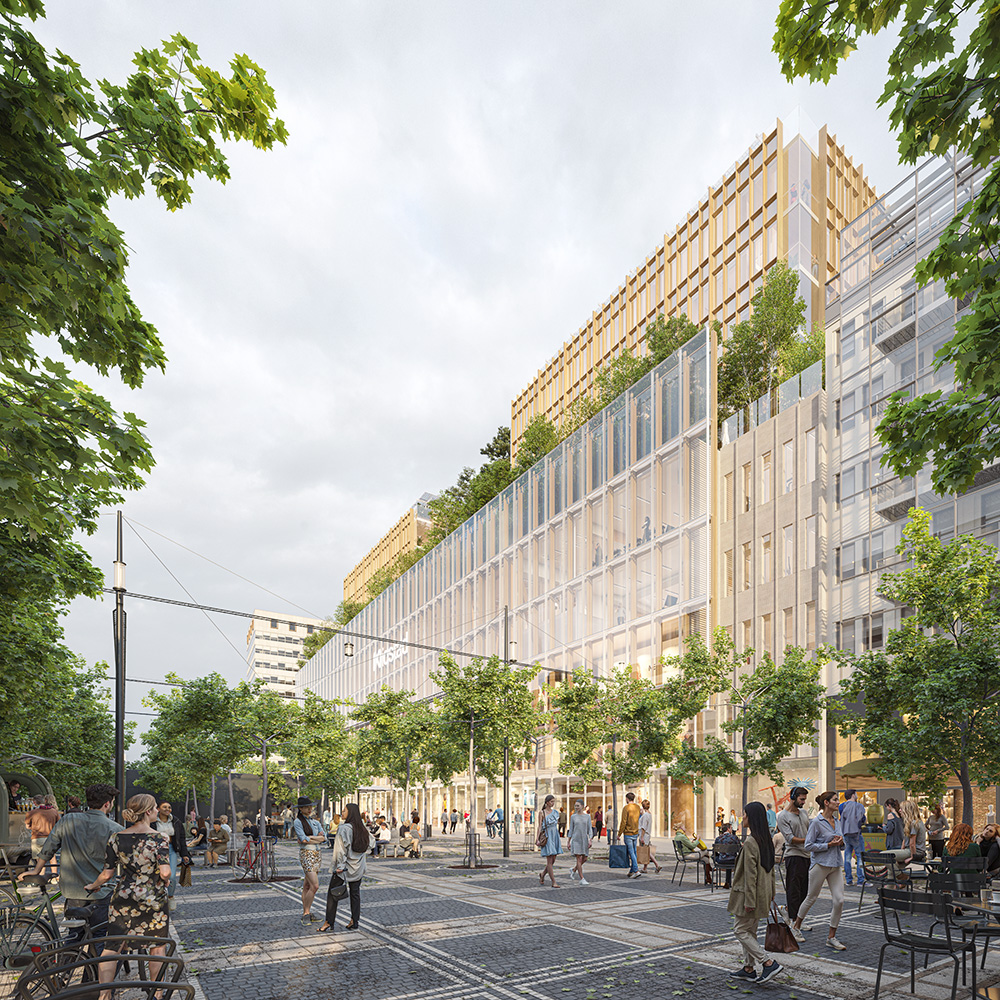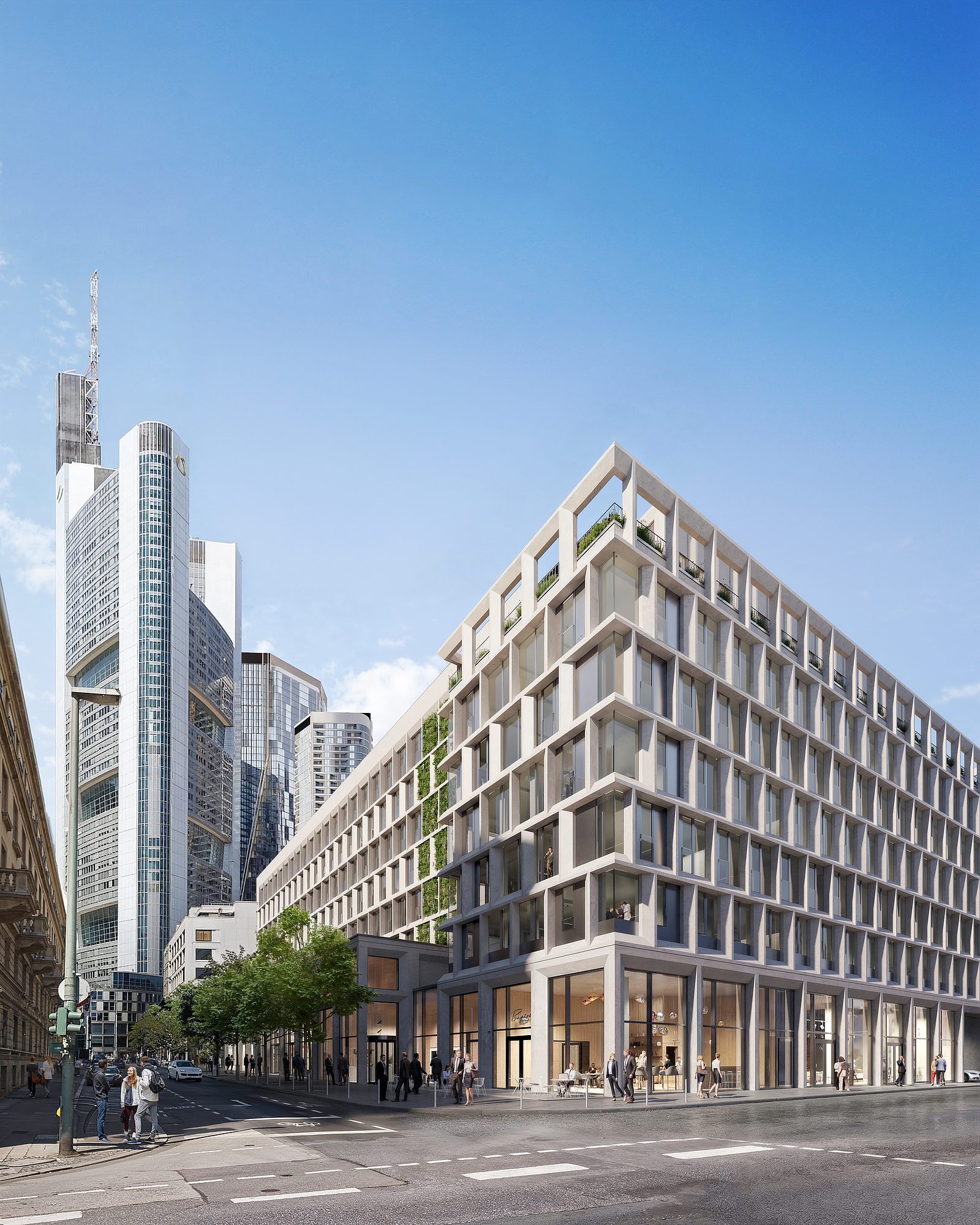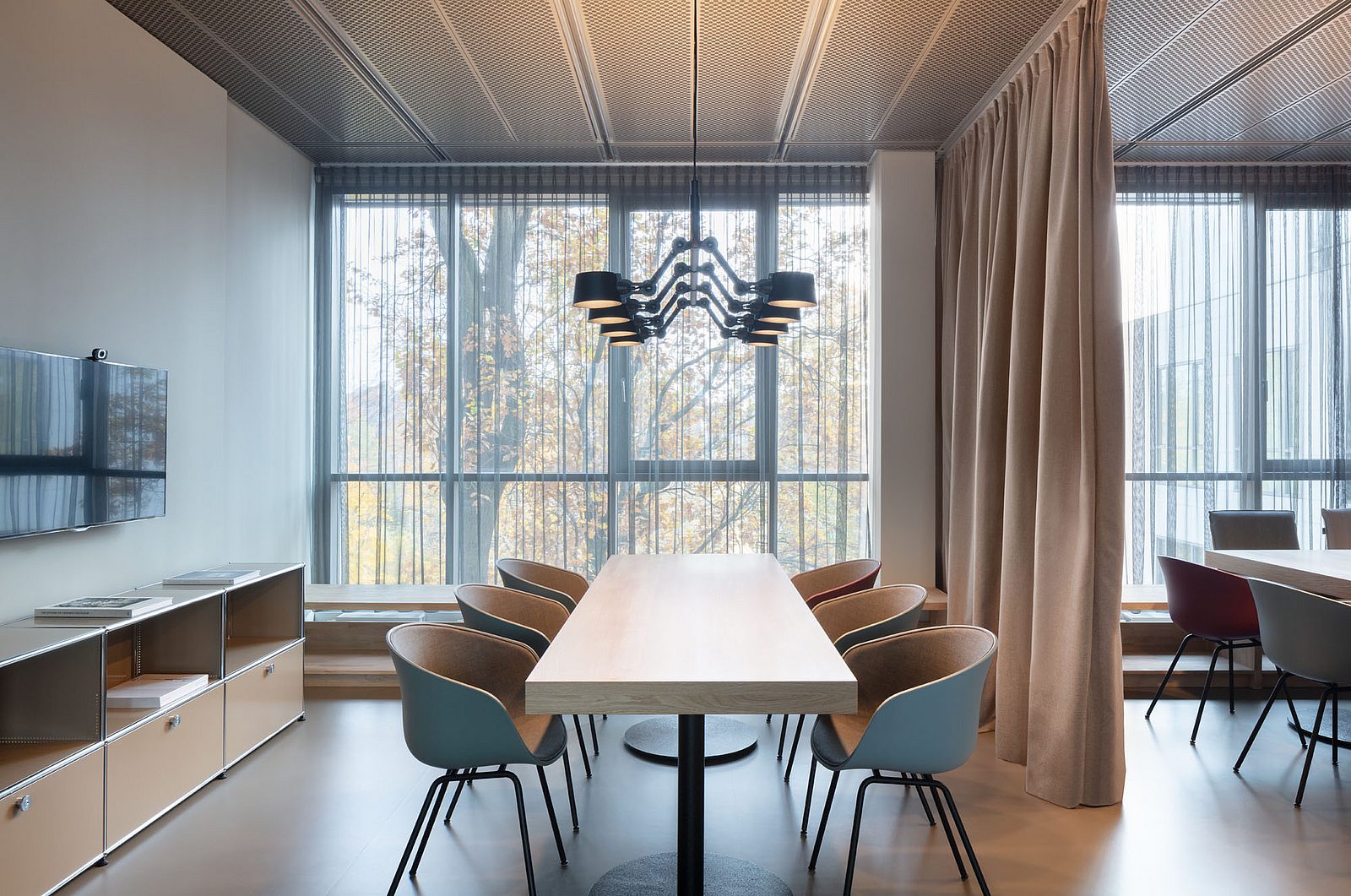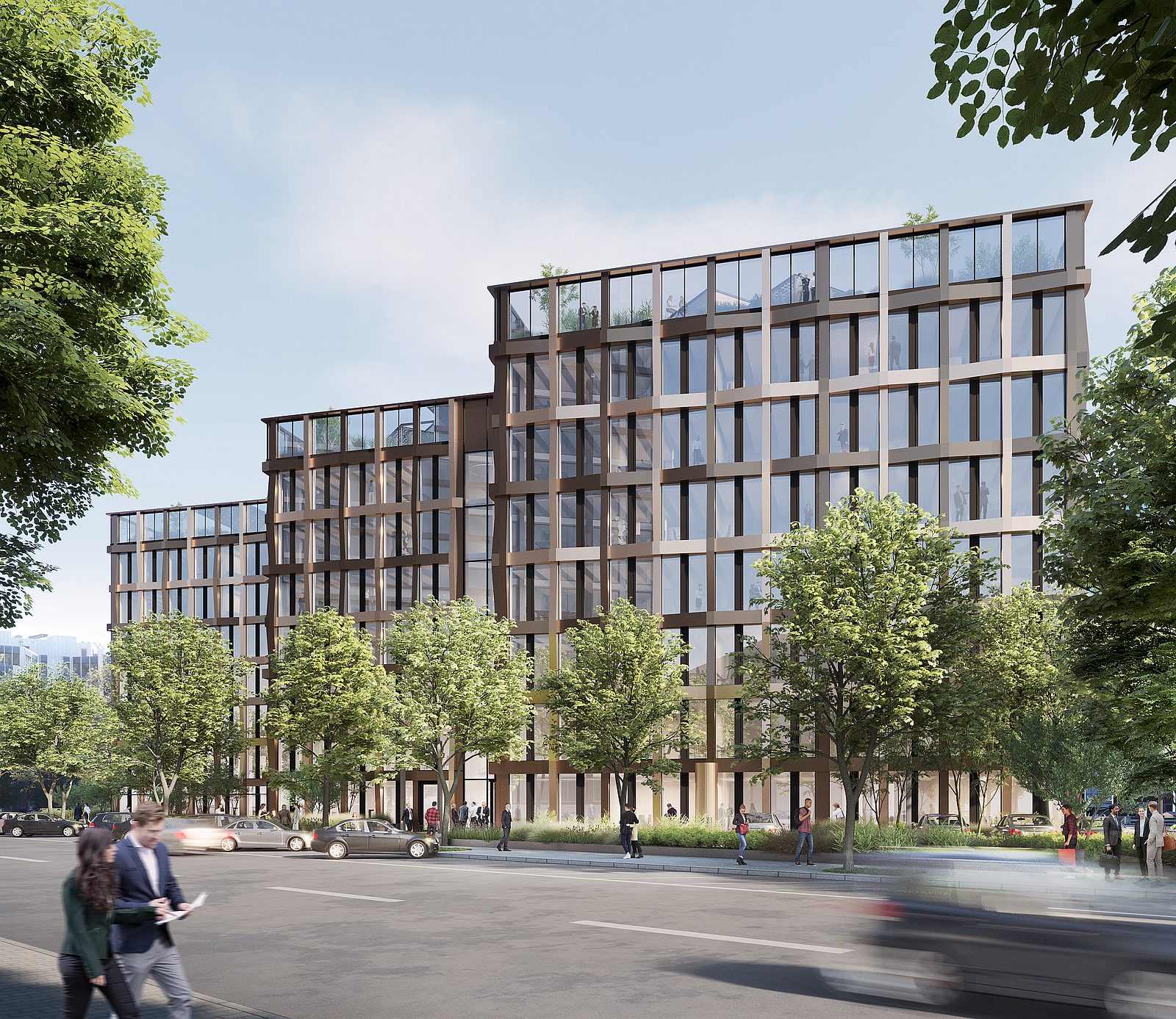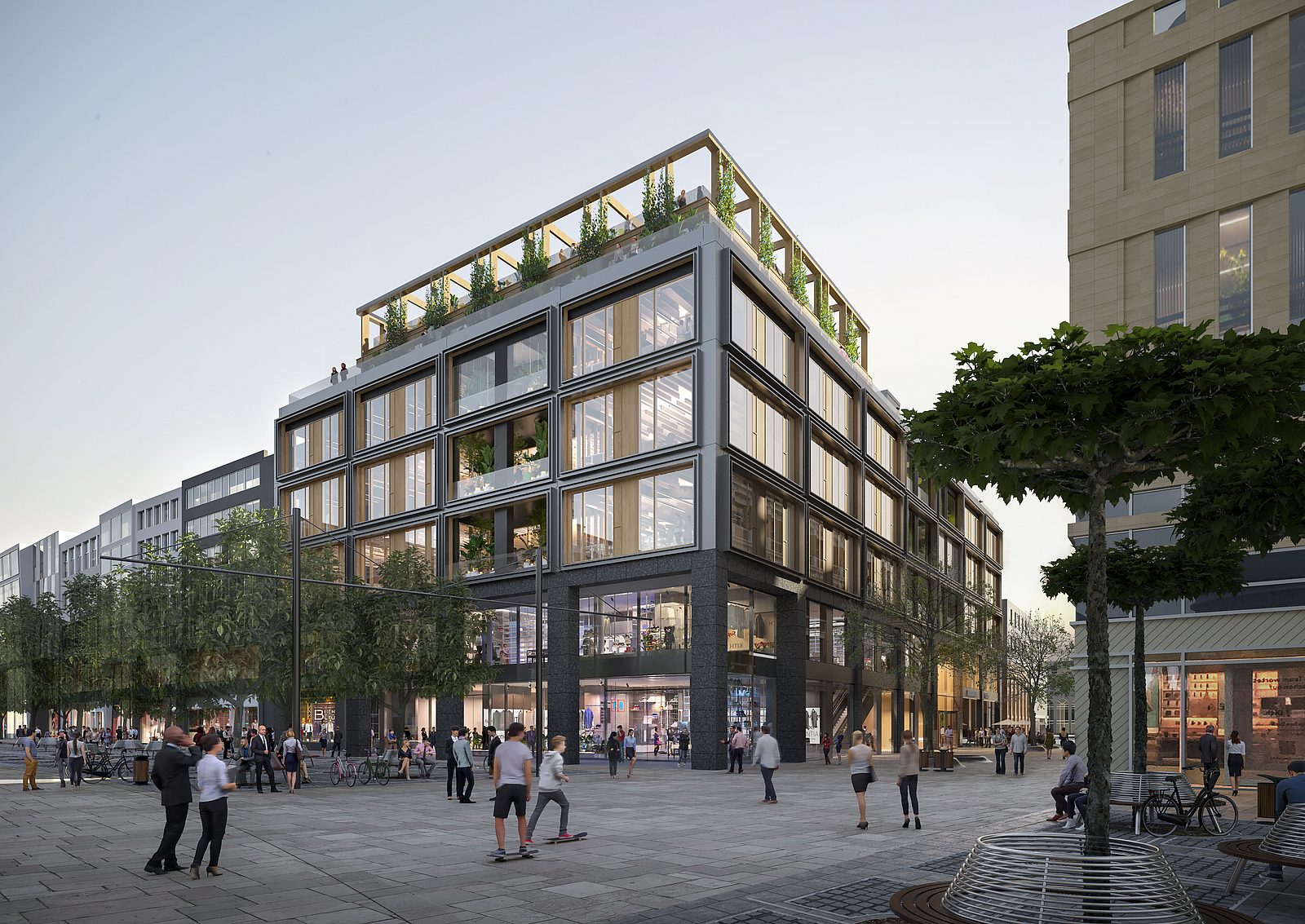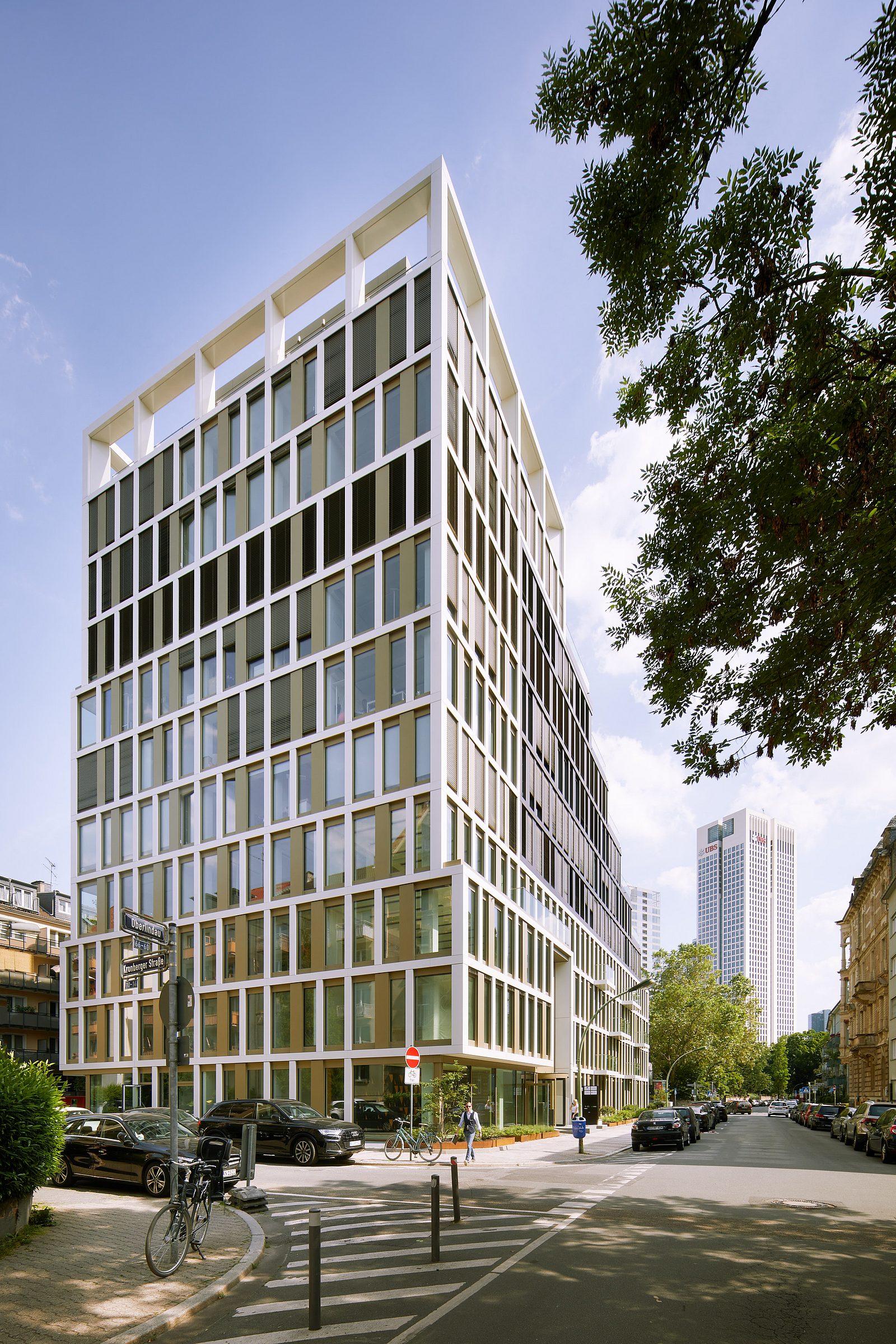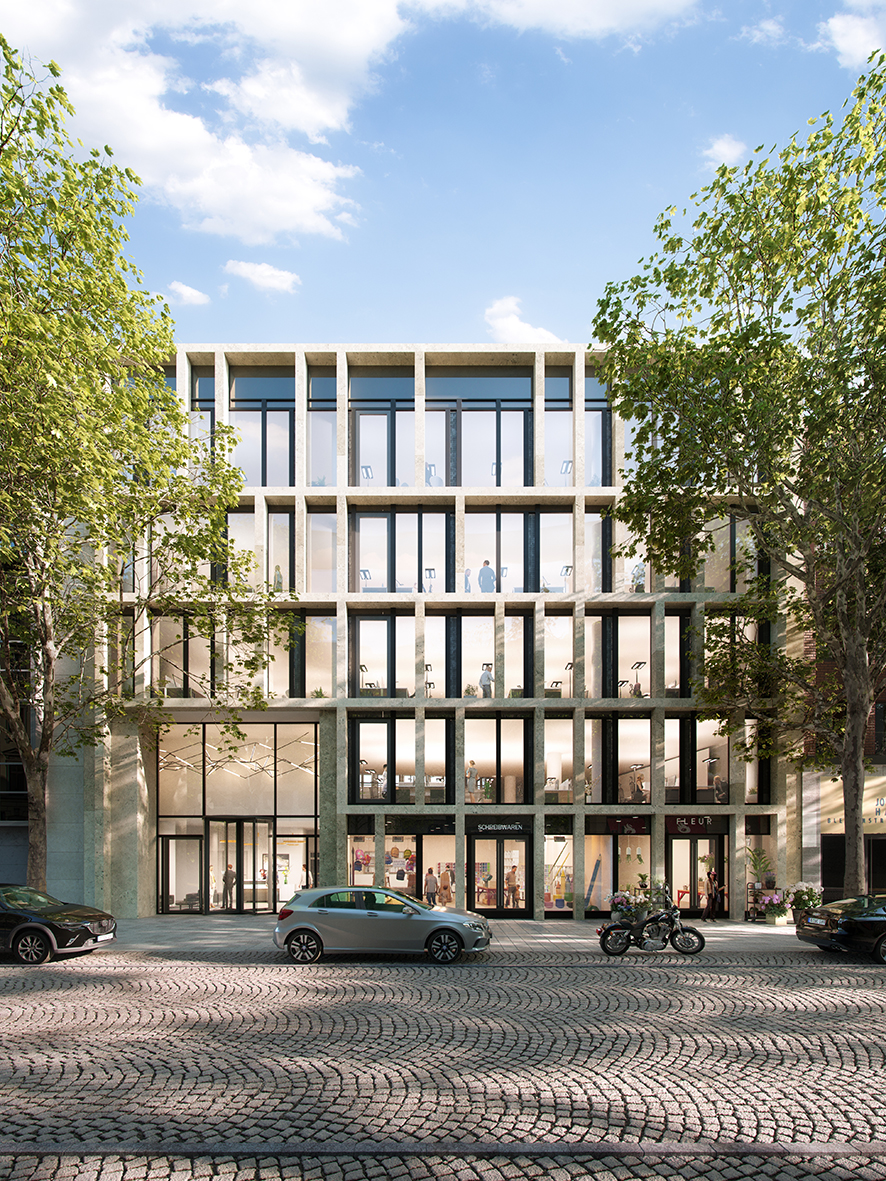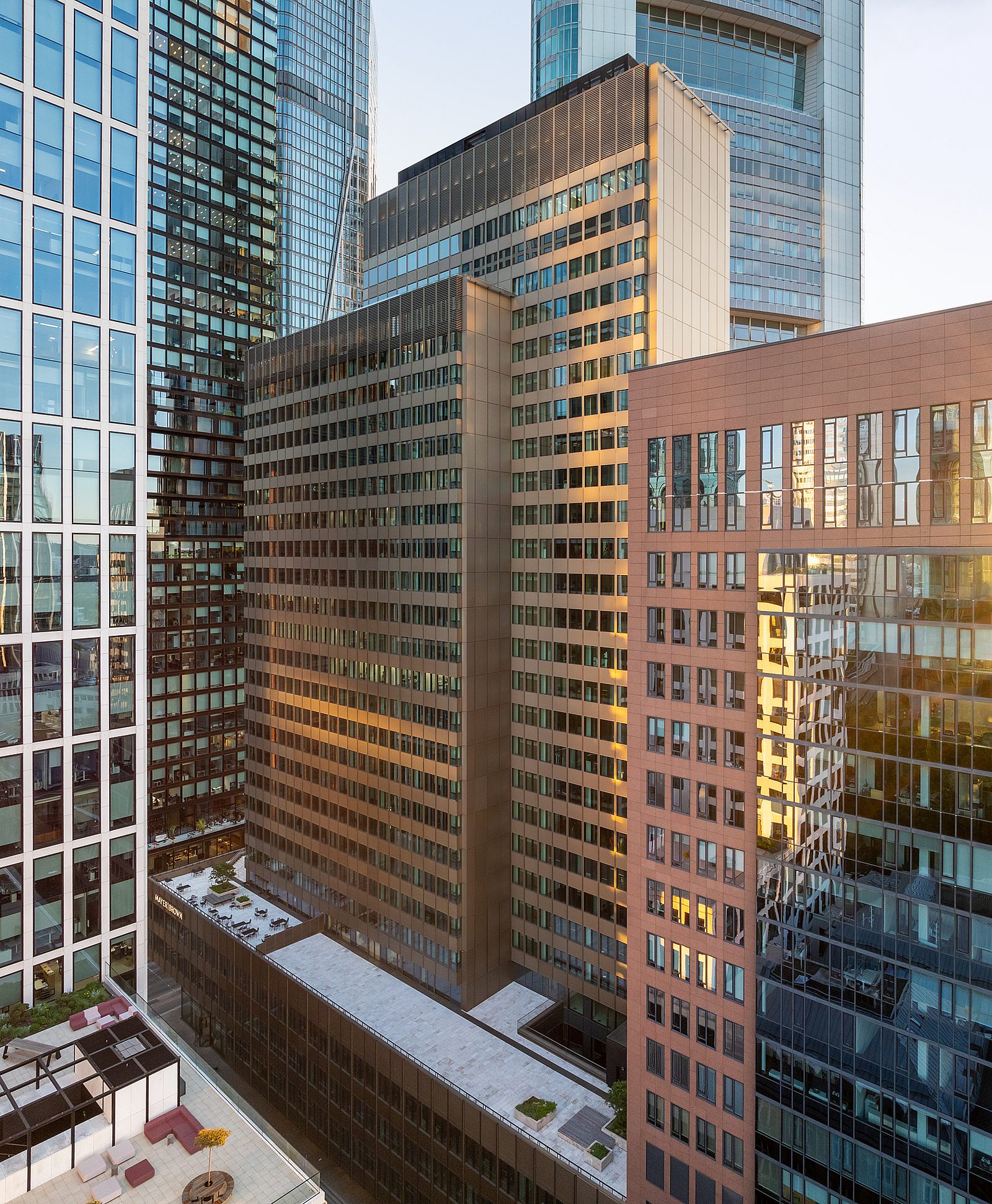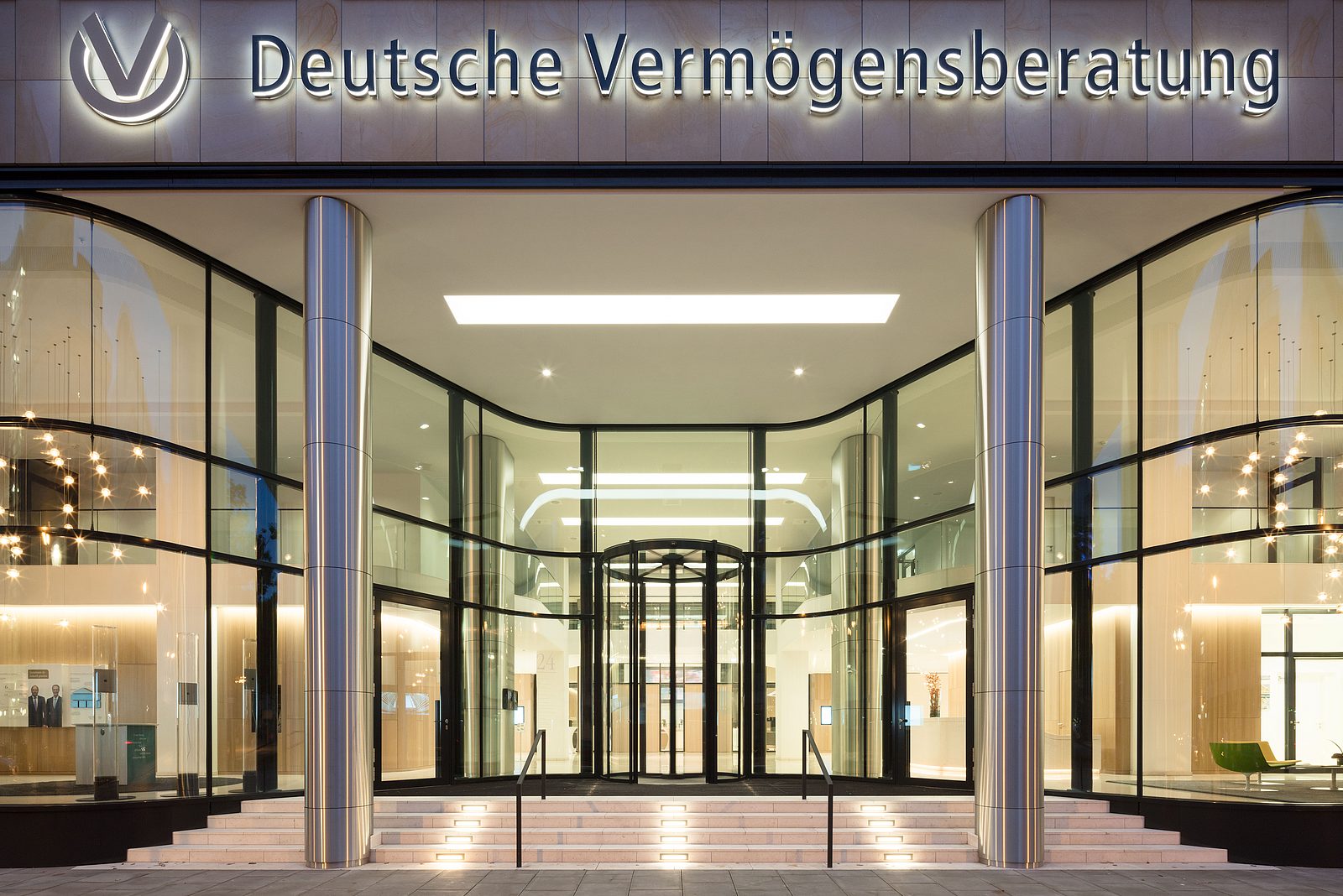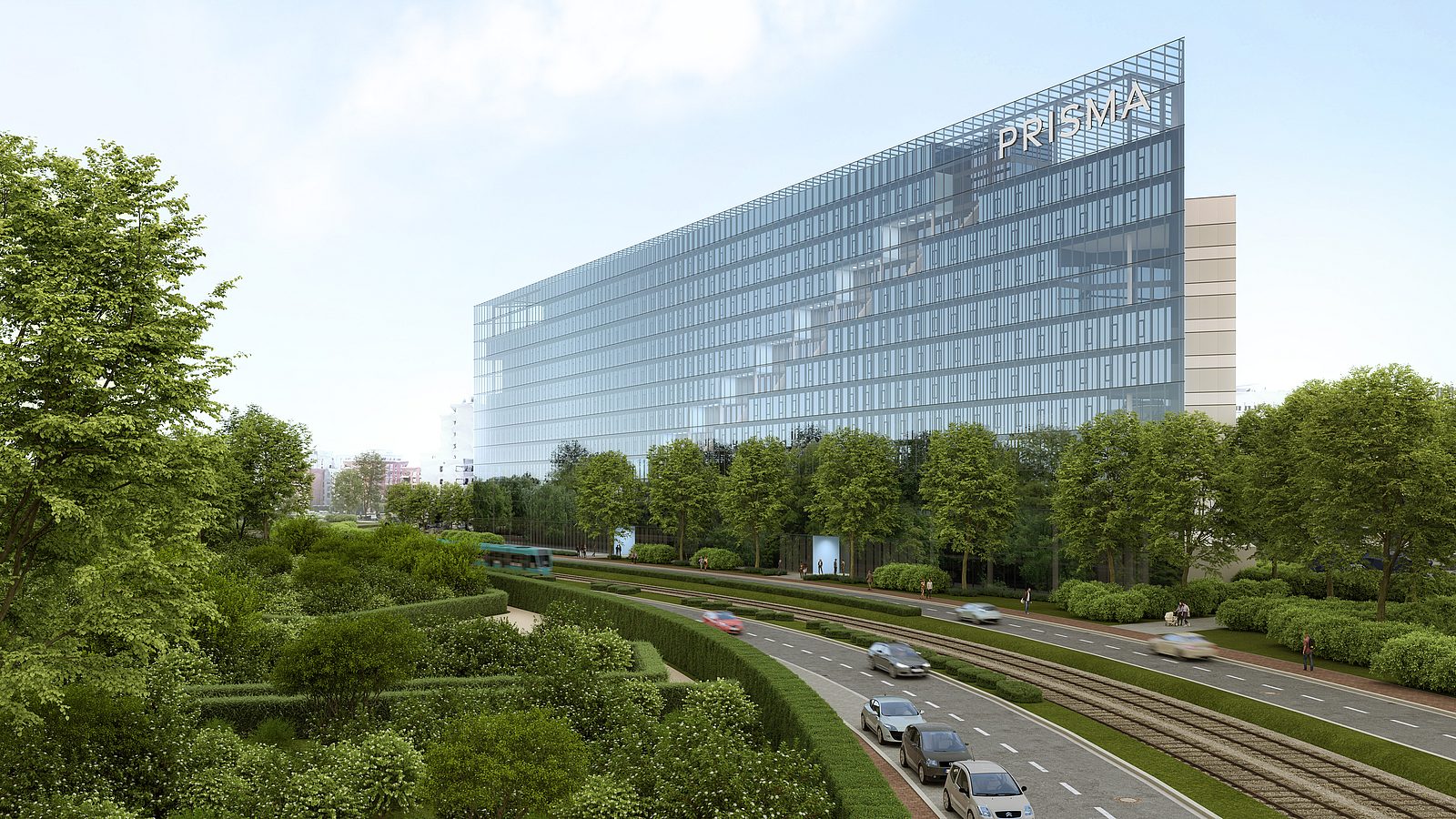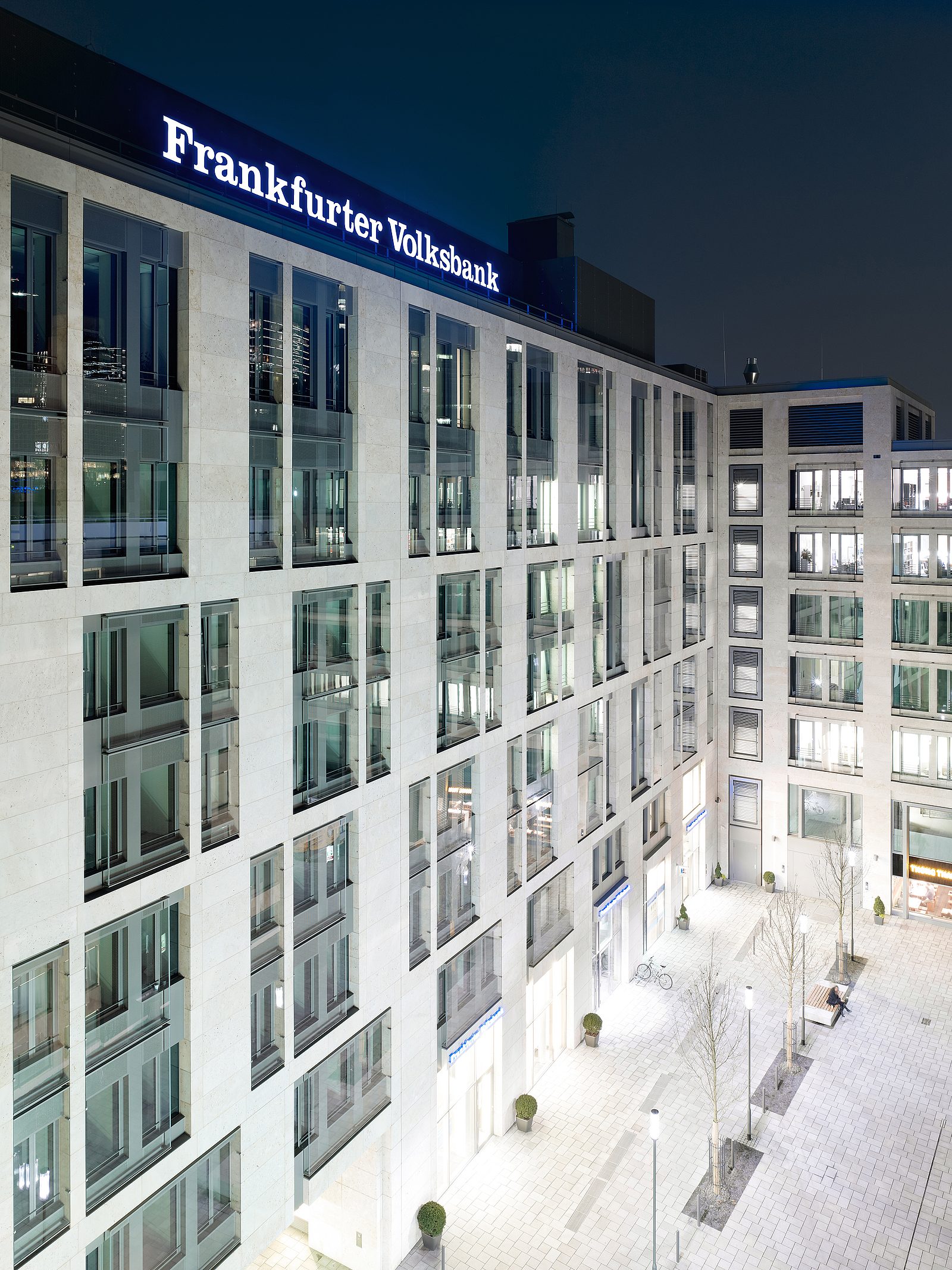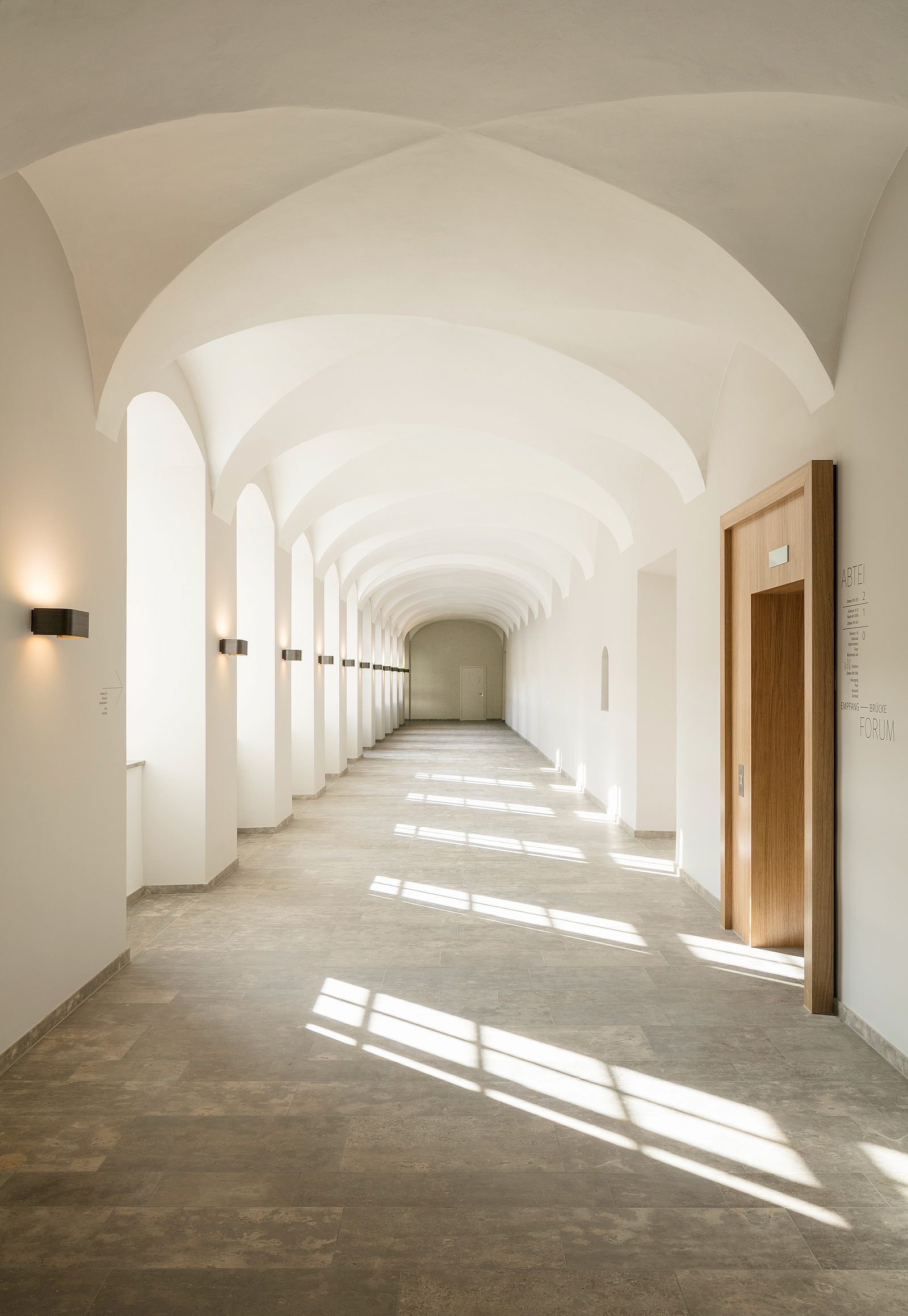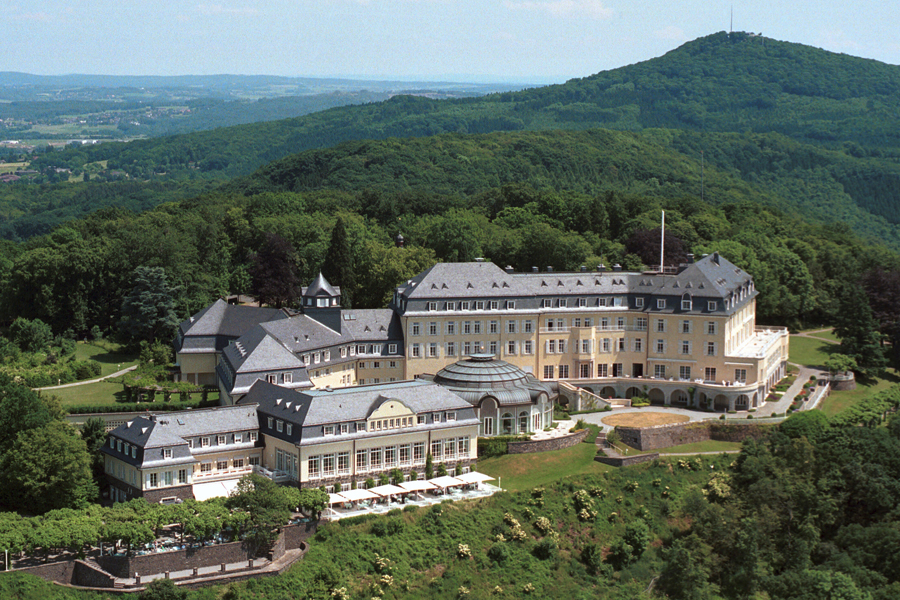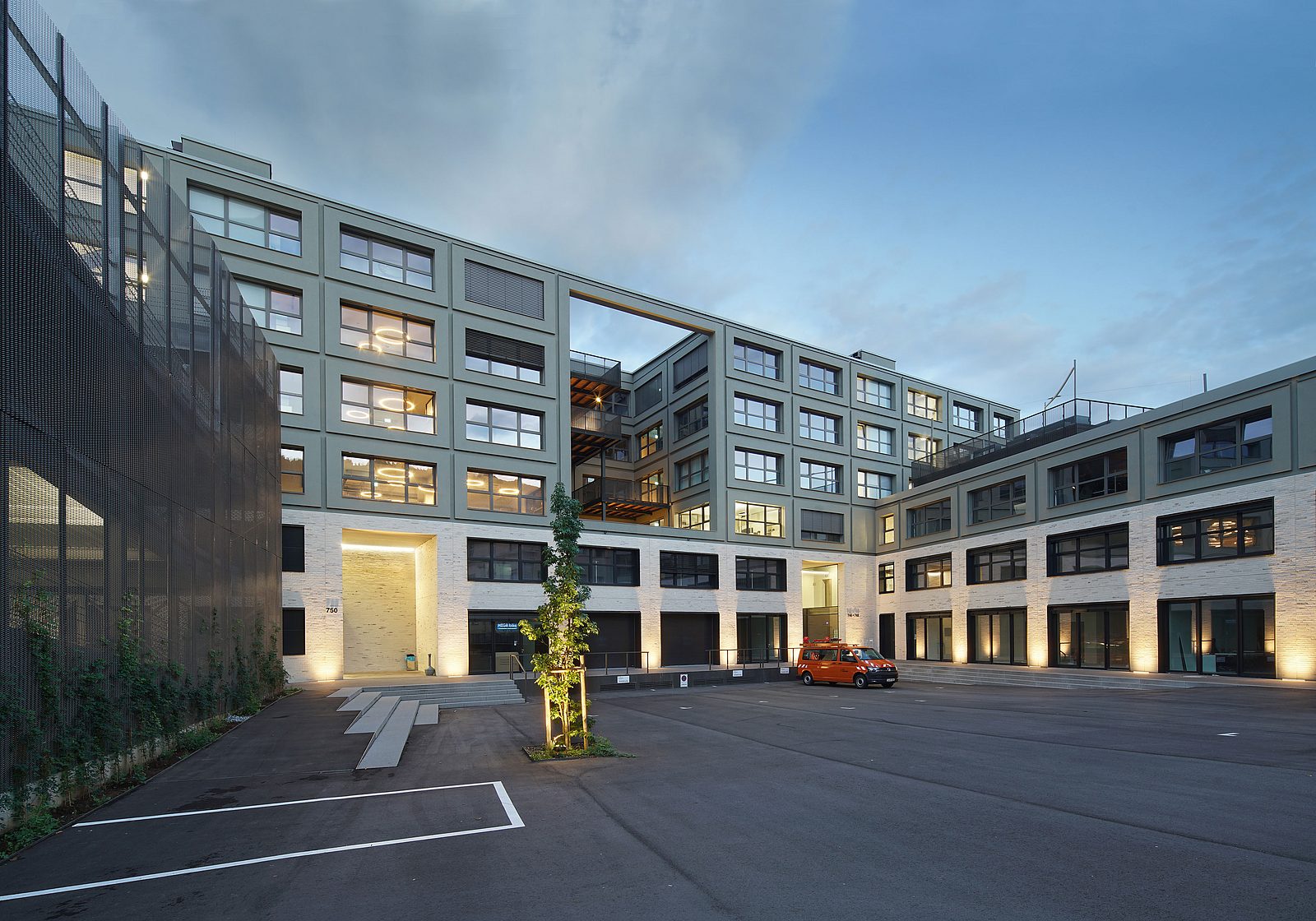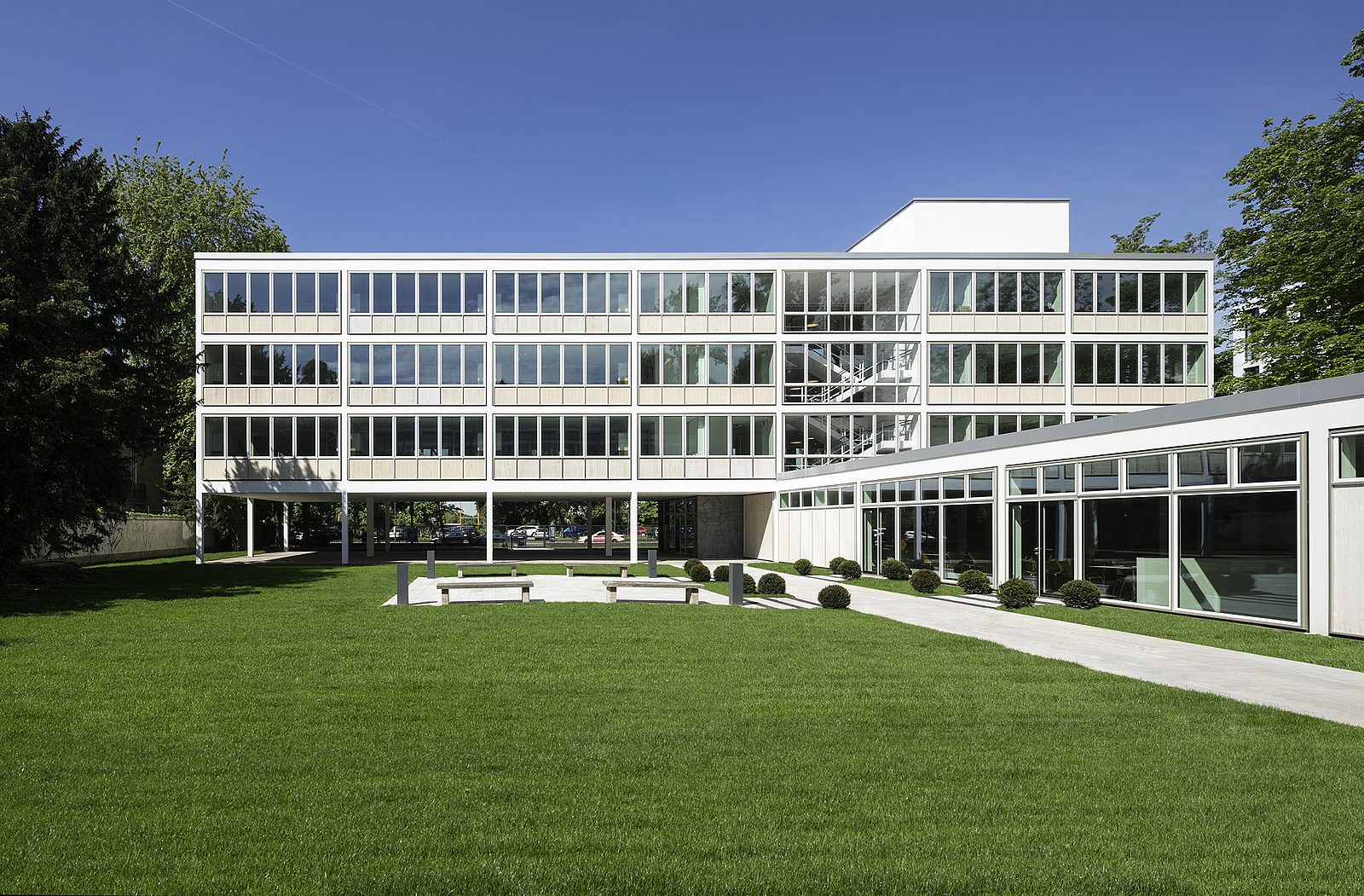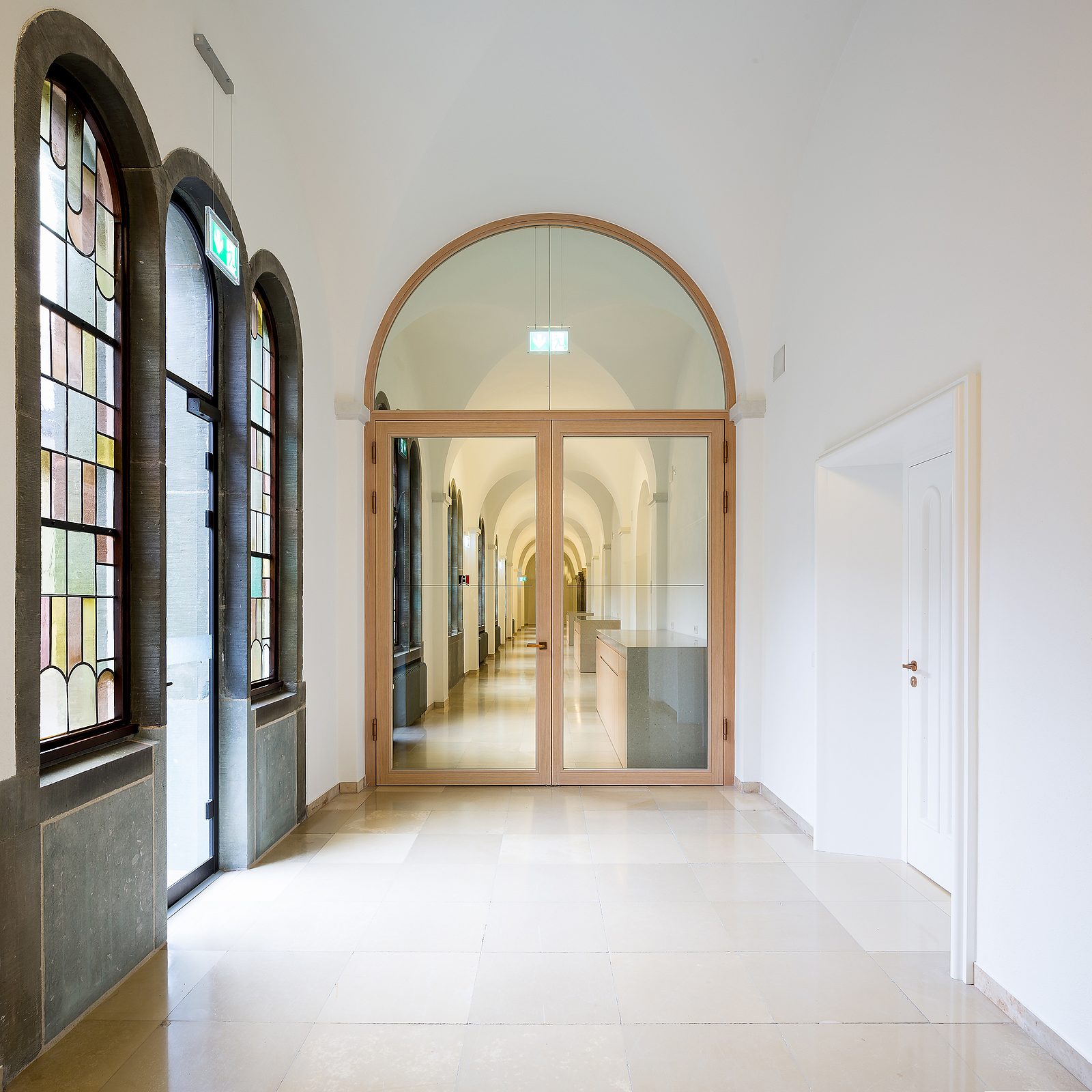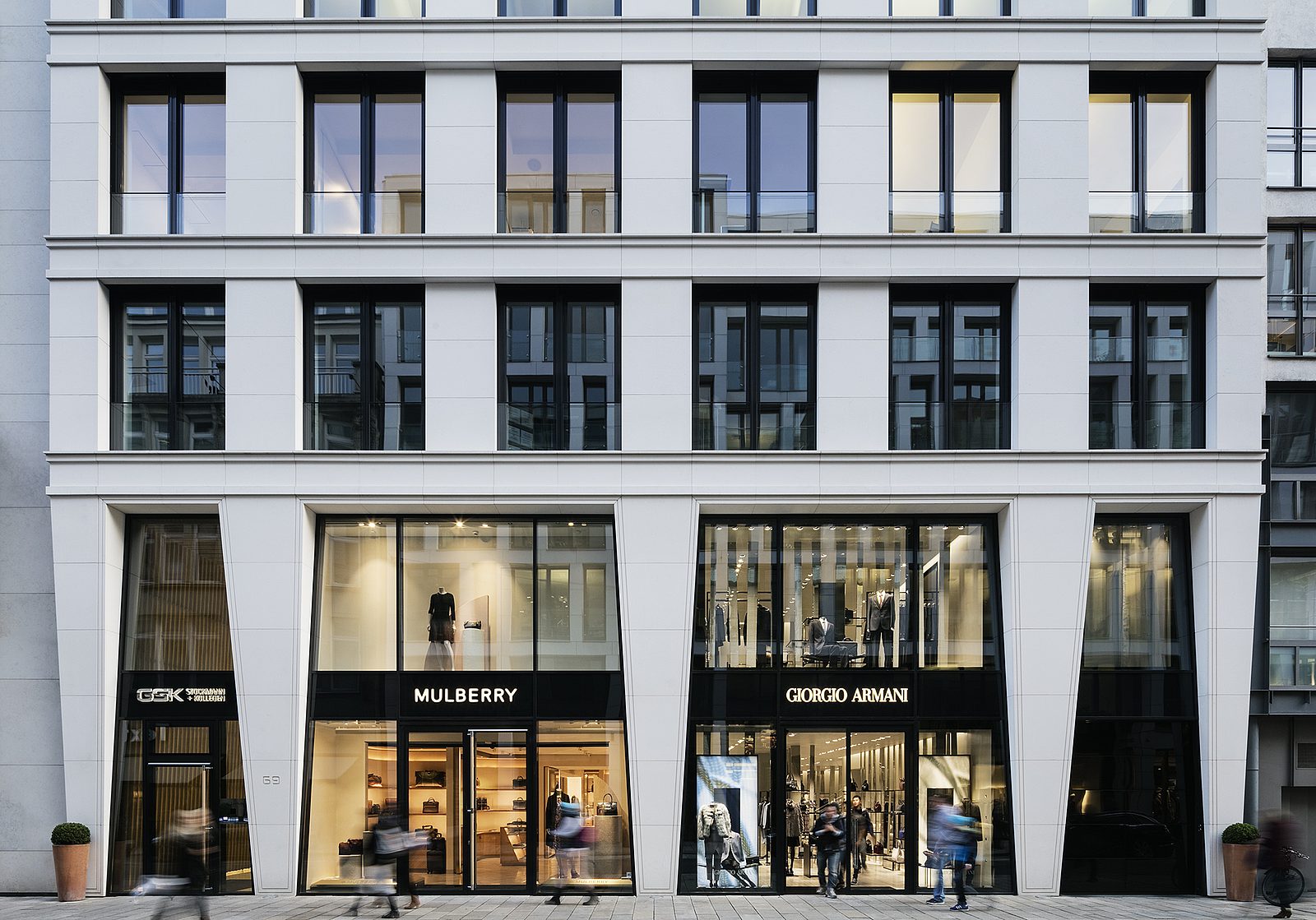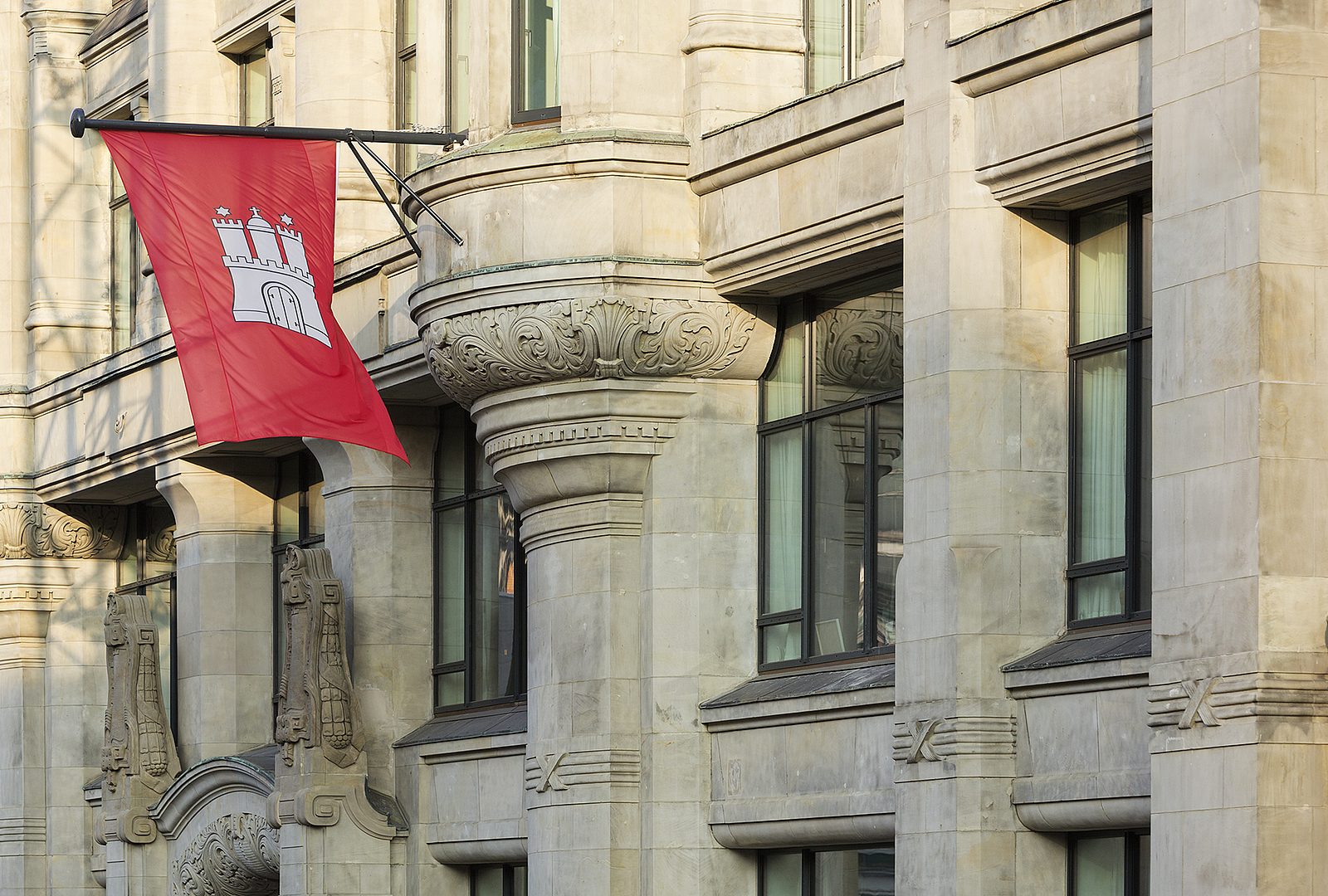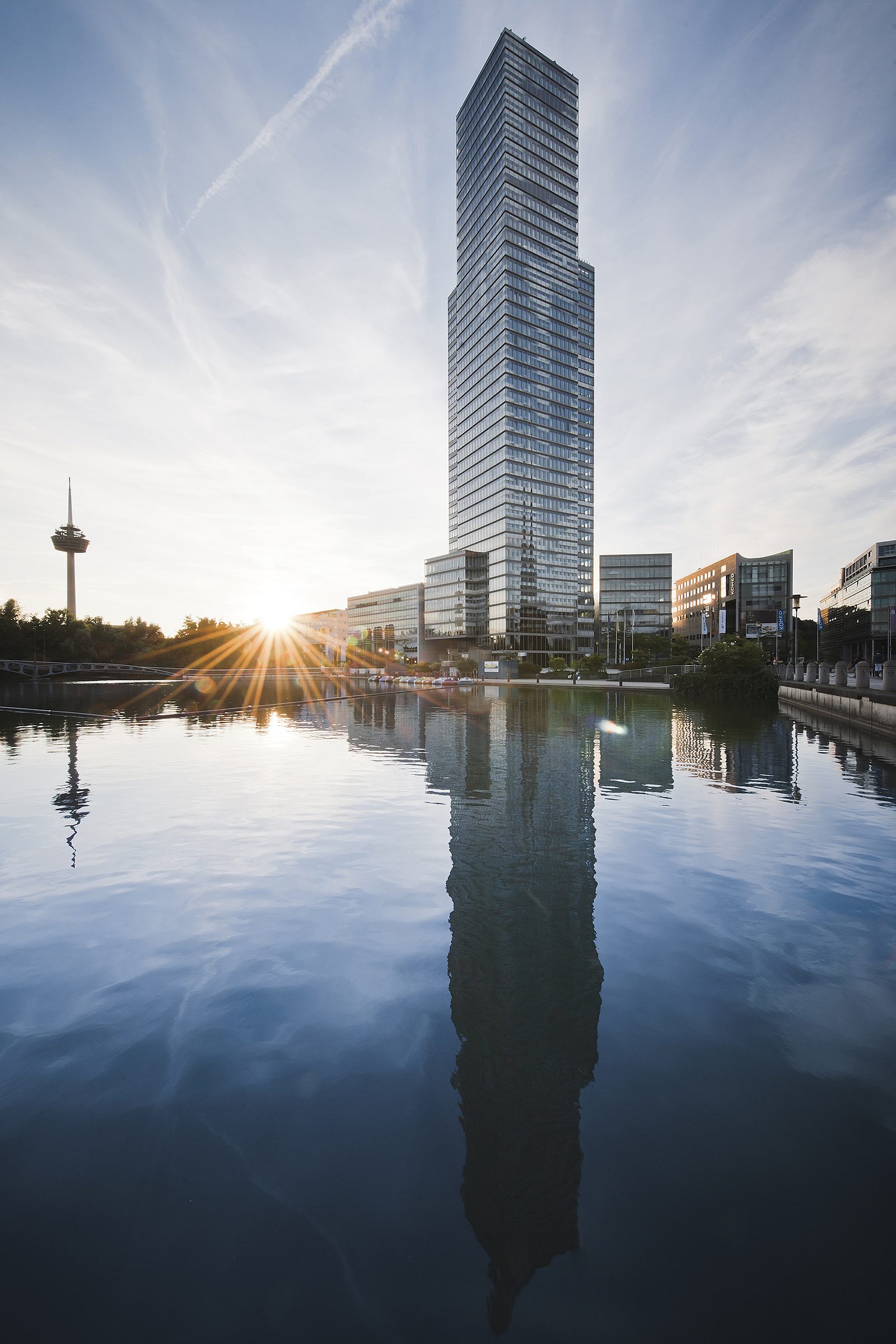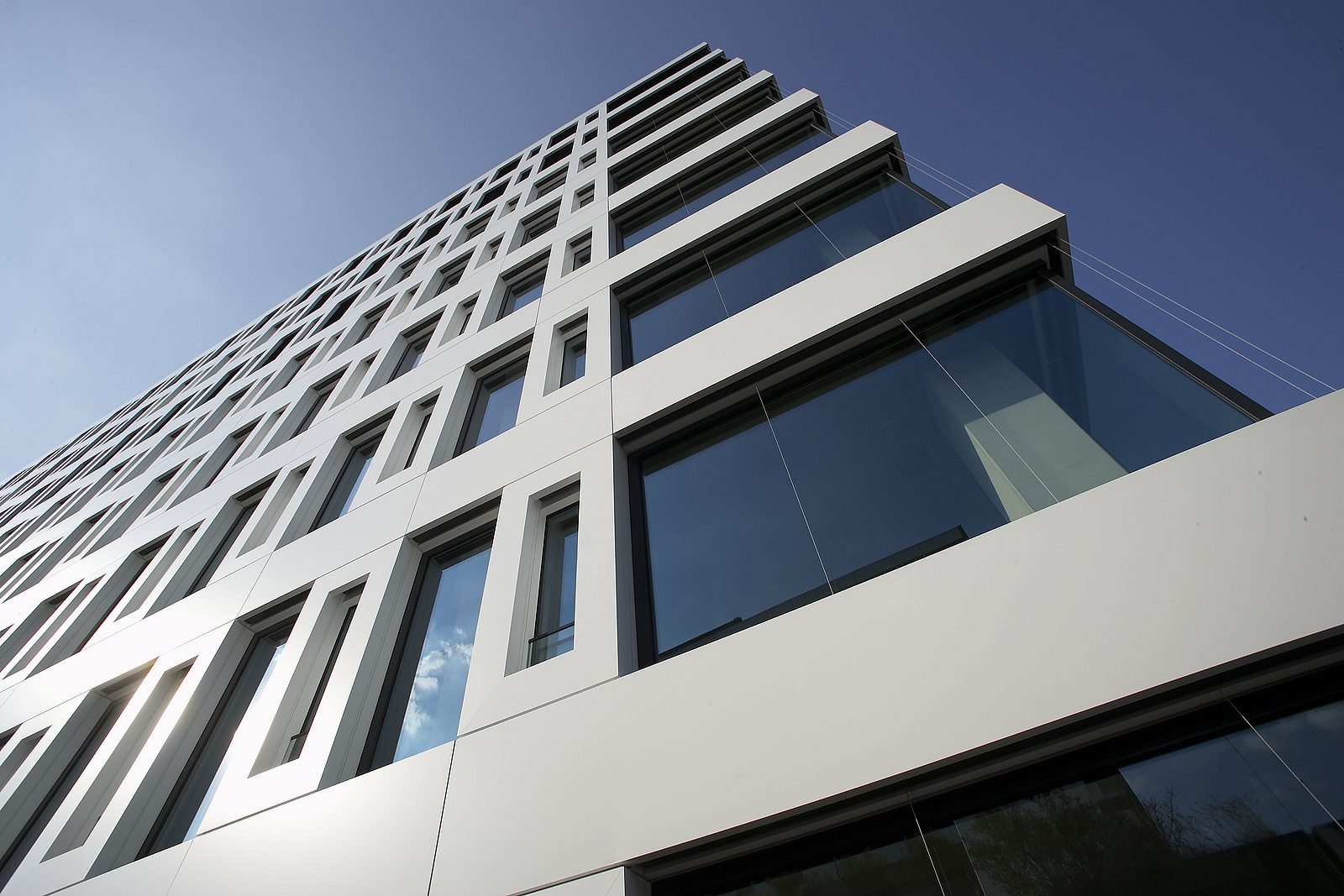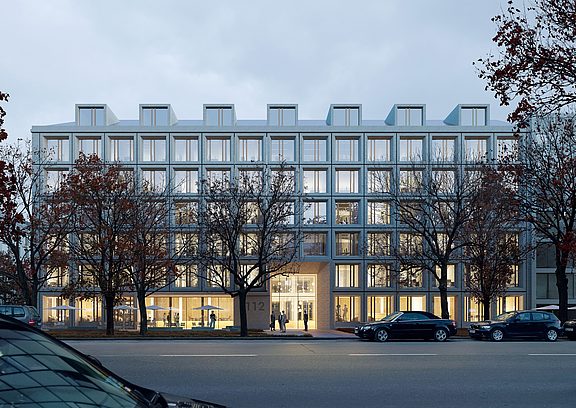
holger meyer architektur has decades of experience in revitalizing existing properties, and we would like to share this with you on these pages. We have pooled our expertise in revitalization in-house in a dedicated team that approaches these tasks with a high level of expertise, extensive experience, and great passion.
We have also transferred our collective expertise into a sophisticated system for examining existing buildings in order to identify the potential of an existing property at short notice. To this end, we analyze all economic options—revitalization, expansion, or partial demolition with structural additions. Based on this, we develop the appropriate concept, opening up new opportunities and transferring your asset into a second or third life cycle.
Take a look at our perspective – and let us explain our approach to the diverse tasks involved in revitalization, because your existing portfolio also offers unexpected opportunities!

We have summarized all of our revitalization expertise for you in our new Revi Guide. In it, we explain our methodology for various large and small revitalization projects, which are representative of the more than 30 revitalization projects we have successfully completed to date, in a clear and more detailed manner than here on the website. We hope you enjoy reading it.
Our planet has finite resources, and most people understand that we need to use them wisely. That is why the renovation and further development of existing building structures is now more important than ever. We classify each existing property into one of four categories that we have defined. An initial check-up determines which of these categories a project can be classified into. Unlike with new buildings, our experience means that we initially act as consultants in revitalization projects. Even at an early stage, we can identify the opportunities and possibilities a project offers—and the risks it may entail. On the other hand, we are of course passionate planners. Planners who use the findings of a careful examination before the start of planning to develop an optimal, future-oriented, and economical concept together with the client.
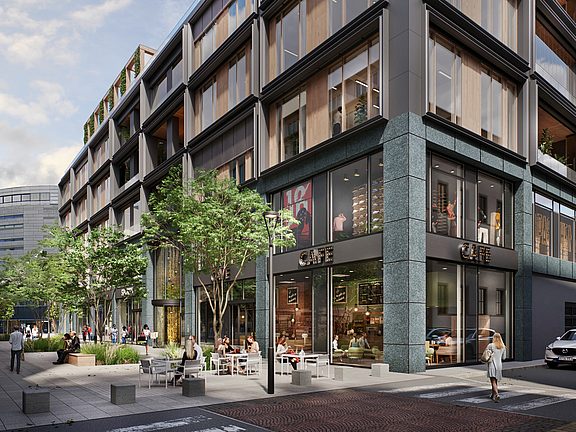
In addition to design and structural adjustments, we also consider the issue of change of use in this case. Whether a property can be converted economically requires consideration of all technical and design requirements and a detailed examination of all essential parameters. Factors such as ceiling heights, load-bearing systems and support grids, as well as building depths and the lighting of spaces, play an important role here. We use comprehensive studies to examine the possibilities offered by the property and develop concepts for different types of conversion. From the very beginning, our experts advise you with their comprehensive know-how so that your property can successfully start its new life.
The first step is to thoroughly examine the existing property in order to get a feel for the house and its location. During site visits, in addition to the general condition and geometry of the building, a few parameters that are essential for further processing are recorded, such as floor heights, statics, building construction, axis dimensions, and access. Ceiling heights that are too low, a load-bearing system that is too weak or inflexible, deficiencies in structural fire protection, or complicated access determine at an early stage whether the building can continue to be used or whether its use can be changed. In addition, easily accessible information forms the basis for an initial assessment. We also compare the existing building with current building regulations in order to be able to compare the structural utilization of the property when comparing new construction options.
Based on this initial check-up, we quickly and cost-effectively assess the potential of the asset. In a subsequent step, we use the results of further technical and pollutant investigations for our assessment. This includes evaluations of the building services, fire protection, and statics, as well as the entry of pollutants into the substance to be preserved. The creation of a detailed 3D model through digital surveying of the existing building is the first step in the in-depth planning of a revitalization.
Conversion to a 3D model
A 3D model offers comprehensive visualization and detailed planning options. Based on this model, the developed concept and feasibility studies are specified in detail and assigned costs and deadlines. We then compare the options, costs, and different time horizons of all options, thereby providing our clients with a sound basis for deciding on the final approach for transforming their property into a new future.


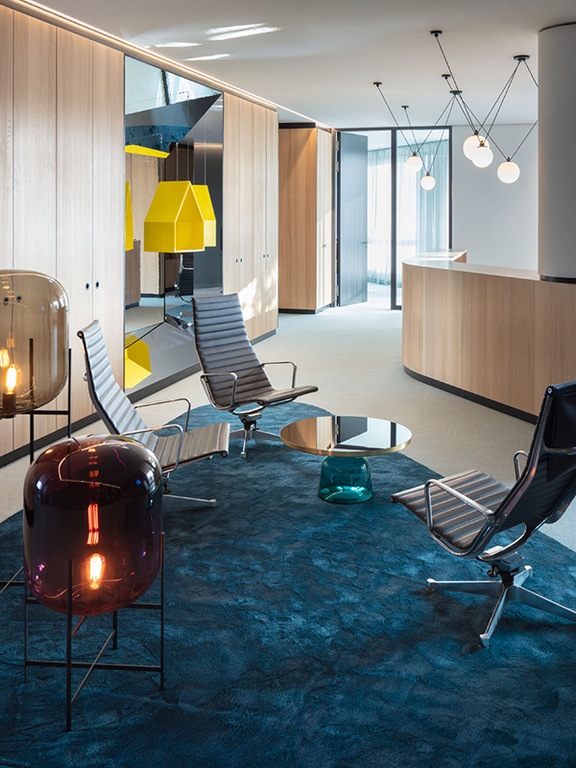

When nothing works as it used to, new ideas are needed. We had them. And since then, we have been able to tackle a constant stream of new revitalization projects. We now handle more than half of our planning work in this area—much of it from competitions we have won. We would like to present some of these projects to you here.